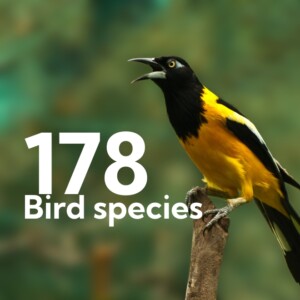
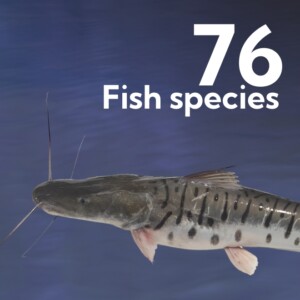
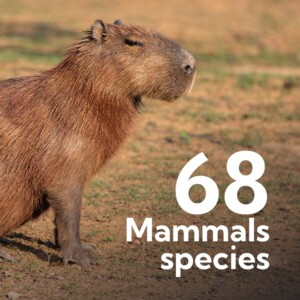
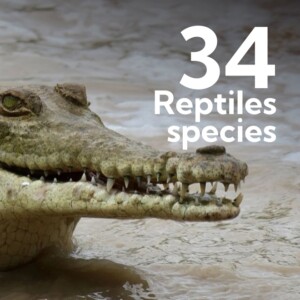
The Orinoquia is a biodiversity hotspot in the world
Home to exceptional biological wealth
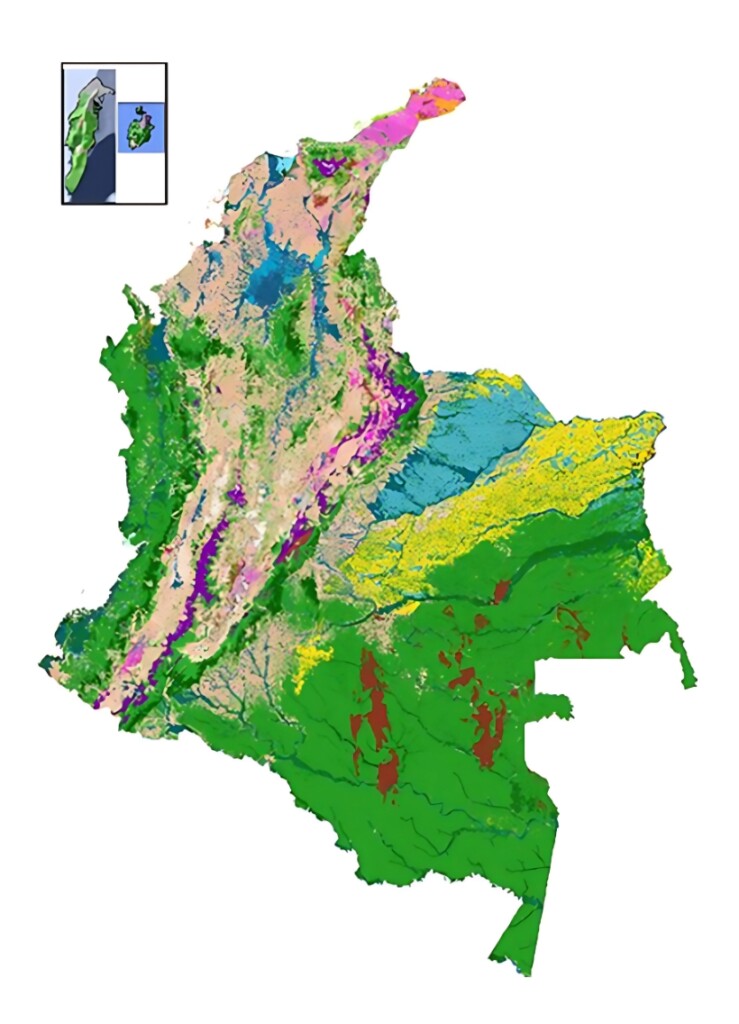
The Orinoquia is home to 48% of Colombia’s inland wetlands, the largest extension of this ecosystem in the country, representing 30% of the national territory with 34.720.832 hectares (ha) and covering 35.4% of the Orinoco basin, where Andean and Amazonian ecosystems also converge. The Orinoco is positioned as one of the eight most strategic water systems in the world.
When we talk about Colombia and the conservation of its biodiversity, all regions have special characteristics that make them valuable. However, some ecosystems are at greater risk than others due to the pressure of transformation, and the Orinoquia is one of them.
Why protect the ecosystems of the Orinoquia?
The preservation of the páramos, wetlands and savannas in the Colombian Orinoco is crucial to maintain the ecological balance and ensure the sustainability of the region.
Ecosystems contribute:
It is one of the 8 most strategic water systems on the planet
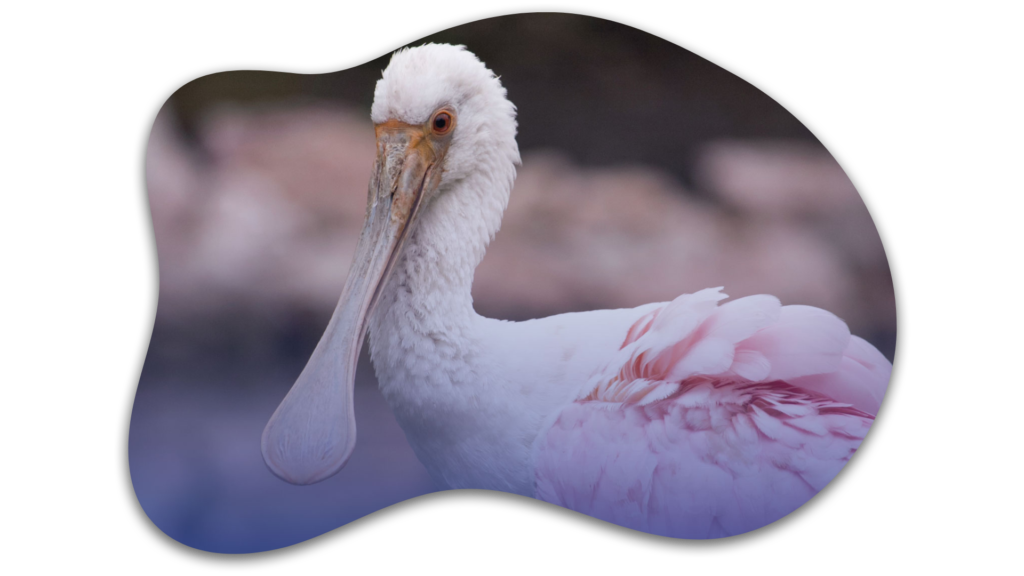
At the heart of our planet is the Orinoco River, a strategic ecosystem that extends for 2150 km. This water system not only gives life to a vast network of rivers, but also supports wetlands, lagoons and slow-moving rivers, essential for aquatic biodiversity. The Orinoquia is a spectacle of living nature, where the migration of waterfowl and the reproduction of fish tell the story of a vibrant and globally fundamental ecosystem. A true heritage that arouses admiration and respect for its unique contribution to the world.
Overall, it is the third most important riparian system in terms of water discharge into the Atlantic (36.000 m³/sec) and the fifth in terms of sediment transport.
The relevance of livestock farming in harmony with conservation in the Orinoquia region is undeniable
In the vast flooded savannas of this region, cattle ranching is a cornerstone of the economy, increasing income, local employment and contributing significantly to both regional and national Gross Domestic Product. This activity, deeply rooted in local traditions and practiced sustainably for centuries, has been harmoniously integrated into the landscape of these ecosystems. The departments of Arauca and Casanare are renowned for the high quality of their livestock, which not only underscores its economic importance but also its deep link to the region’s cultural identity.
“Cantos de trabajo de llano”
Declared Intangible Heritage of Humanity by UNESCO in 2018, “Cantos de trabajo de llano” of the Colombian and Venezuelan llaneros constitute a rich cultural heritage. Understanding the essence of this region implies recognizing the people who coexist harmoniously with it, developing their daily labors in an environment enriched by the vast biodiversity offered by this land. In addition to the llaneros, whose culture and traditions have been honored internationally, the region is also home to diverse indigenous peoples, including the U’wa, Yanomami, Ye’kuana, Piaroa, and Sikuani, among others. These communities, along with the llaneros, weave the vibrant cultural mosaic that defines and enriches the human and natural heritage of the Orinoco.